The Dietary Balance Guide: Nutrition Essentials is a calculated nutrition chart for your everyday health and well-being. Our bodies require vital nutrients, vitamins, and minerals to function optimally. However, it can be difficult to filter the suitable one through the large volume of dietary recommendations available today. The Dietary Balance Guide: Nutrition Essentials will assist you in describing the requirements of nutrition essentials in order to help you attain optimal nutrition.
Understand the Dietary Balance Guide: Nutrition Essentials
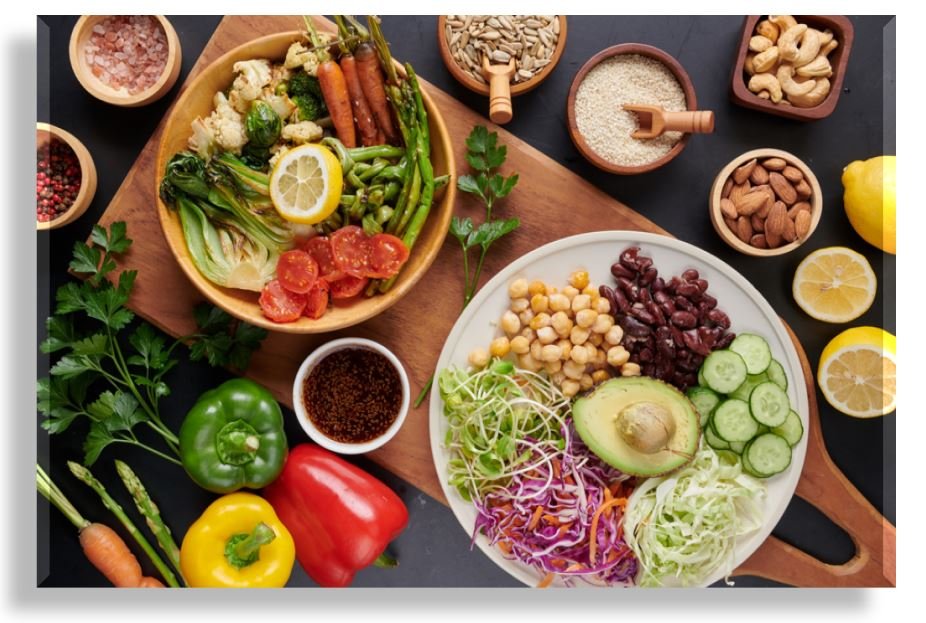
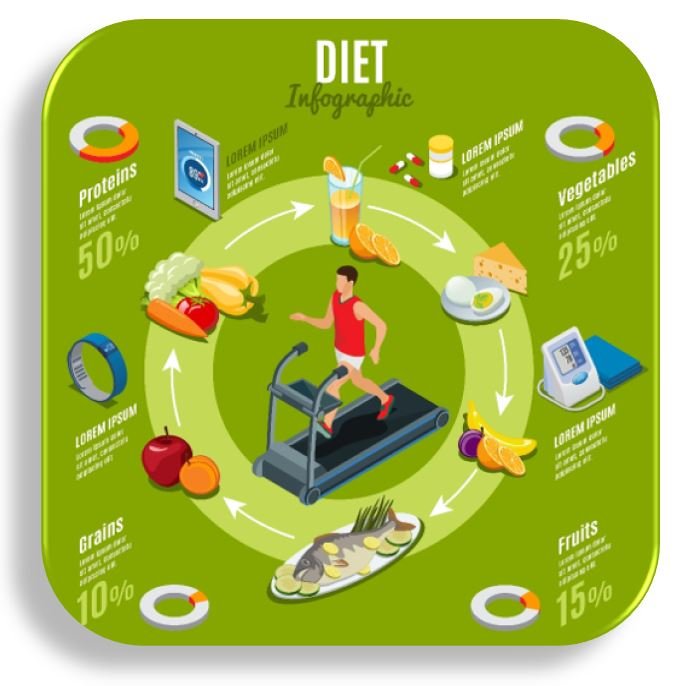
Dietary Balance Guide: Nutrition Essentials is a nutrition e-book in order to maintain your body’s functioning and prevent excess or deficiency. A balanced diet consists of an adequate amount of a variety of nutrients to keep your body from falling short or going overboard. You need to add a variety of nutrients from all the major food groups, such as fruits, vegetables, grains, protein sources, dairy products, or dairy alternatives, to your balanced diet. Make sure your plate is filled with all of these food groups, which have specific nutritional advantages for your overall health and wellbeing.
The Importance of Macronutrients and Micronutrients
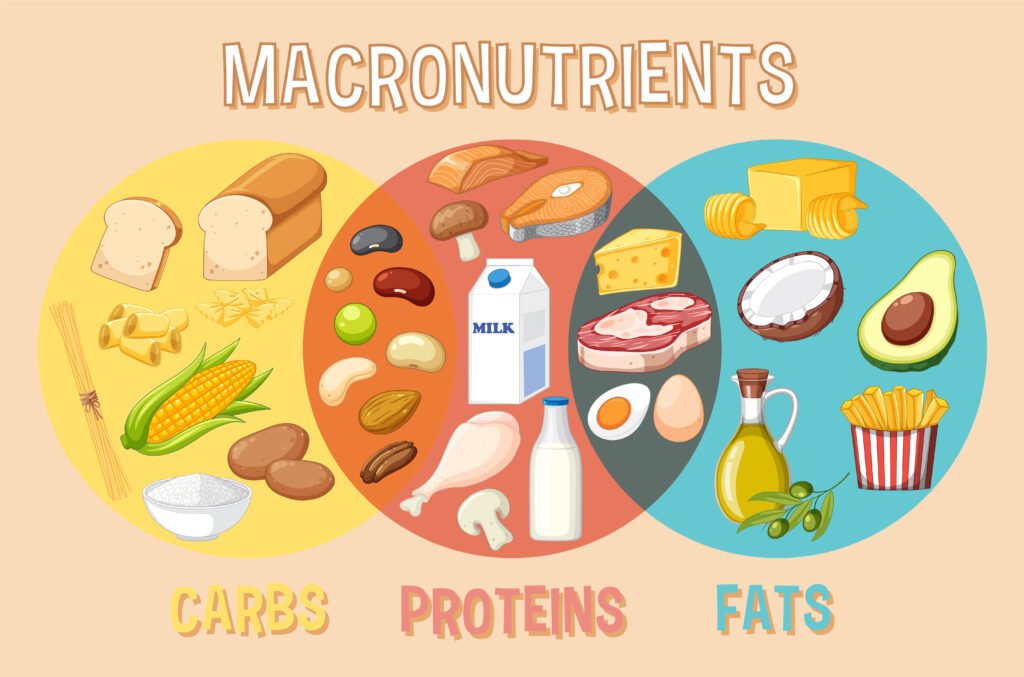
Macronutrients consist of protein, fat, and carbohydrates, which must be taken in large quantities to supply sufficient energy for your body to function properly. When your body starts taking in a sufficient number of macronutrients, carbohydrates serve as the primary source of energy. Protein will be essential for building and repairing tissues, and fat will be used for hormonal growth and absorbing nutrients and all these three components are an important part of this eBook, Dietary Balance Guide: Nutrition Essentials, in combination with other essential micronutrients.
Protein: Protein is one of the major components of macronutrients and a crucial part of the Dietary Balance Guide: Nutrition Essentials, which is very helpful for the immune system to function in a healthy way; it helps to grow and repair tissues and synthesize hormones and enzymes. You can find foods rich in protein, such as lean meats, fish, poultry, eggs, dairy products, legumes, nuts, and seeds. Make sure you add a sufficient source of proteins in order to get an adequate amount of essential amino acids.
Fats: Healthy fats are crucial for the body when it comes to maintaining hormonal production, nutrient absorption, and brain functions. You need to add foods with unsaturated fats found in avocados, almonds, seeds, and, last but not least, olive oil, and reduce your intake of saturated and trans-fats found in processed foods like snacks, fried foods, and fatty meats.
Carbohydrates: The body uses carbohydrates as its primary source of energy, which can be found in foods such as grains, fruits, vegetables, and legumes. Complex carbohydrates, like whole grains and starchy vegetables, provide sustained energy and fiber for the body. While simple carbohydrates such as refined grains and sugar should be consumed at a moderate level to prevent blood sugar spikes.
And on the other side, in this ebook, Dietary Balance Guide: Nutrition Essentials, micronutrients such as vitamins and minerals are equally important for your overall health. Micronutrients are needed in a smaller amount as compared to macronutrients but are very crucial for your immune function, metabolism, bone health, and overall well-being. A balanced diet rich in whole grains, lean meats, fruits, vegetables, and healthy fats guarantees that you are getting sufficient micronutrients.
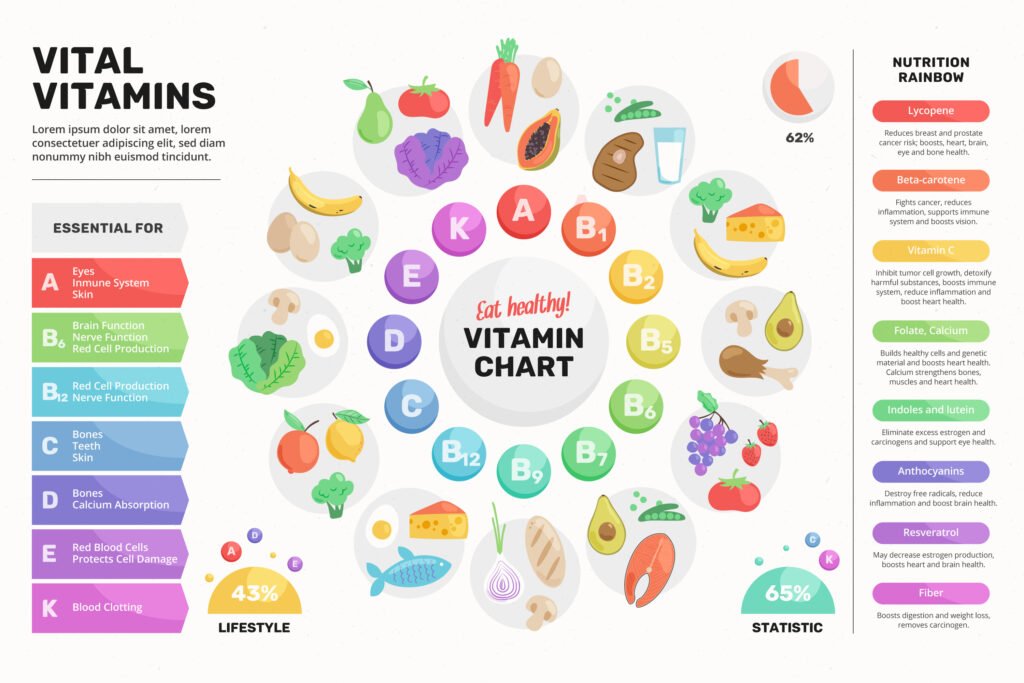
1. Vitamins: Vitamins are essential factors for several body functions such as metabolism, immune system, and cell repair process. An appropriate vitamin consumption comes from a diversified diet full of fruits, vegetables, whole grains, and lean protein which will help you to maintain an adequate vitamin intake.
2. Minerals: It is an essential component to balance fluid, bone health, muscle functions. Generally, it includes calcium, magnesium, potassium, iron and zinc which you find avail from a balanced diet such as dairy products, leafy greens, nuts, seeds, and whole grains
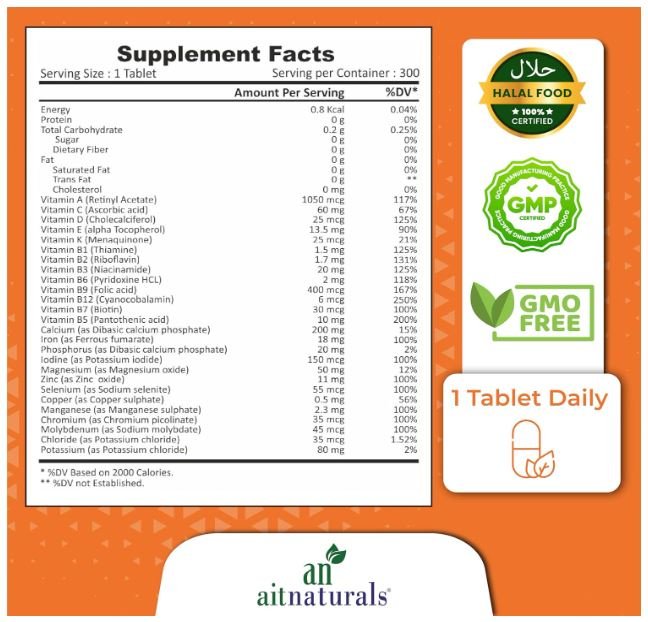
Get the ultimate support for your health with Aitnaturals Multivitamin for Men and Women. Order now at the best price.
Packed with 300 tablets of essential vitamins, minerals, and antioxidants, this non-GMO, gluten-free formula is designed to bolster your immune system, enhance muscle and bone health, and promote digestion. With benefits extending to skin, hair, and nails, aitnaturals Multivitamin offers comprehensive wellness support for both men and women. Whether you’re looking to boost your immunity, improve your overall health, or simply ensure you’re getting all the nutrients your body needs, this potent multivitamin is the perfect addition to your daily routine.
♦ Colorful fruits and Vegetables: Make yourself disciplined in taking a variety of colorful fruits and vegetables that indicate diverse nutritional values. A variety of vitamins, minerals, and antioxidants can be obtained while incorporating foods like leafy greens, berries, citrus fruits, cruciferous vegetables, and root vegetables.
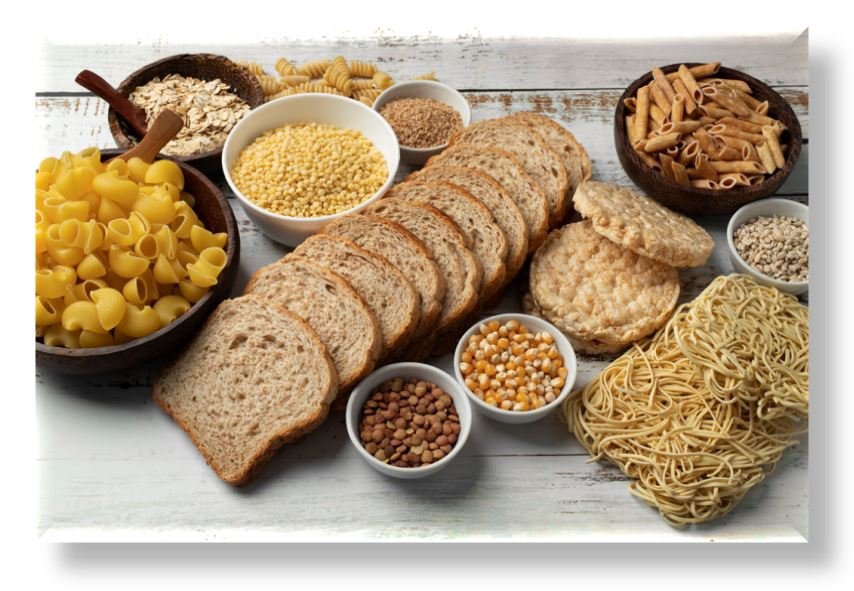
♦ Give priority to whole grains: In order to support digestive health, you need to choose whole grains such as brown rice, quinoa, oats, barley, and whole wheat instead of processed grains to increase fiber intake. Whole grains also provide essential healthy elements, including vitamin B, iron, and magnesium.
♦ Lean Protein Source: You need to add foods such as fish, chicken, tofu, tempeh, lentils, and low-fat dairy items as your lean protein sources, which offer you high-quality protein with unsaturated fat to support the maintenance, regeneration, and growth of the muscles.
♦ Include Healthy Fats: The best sources of healthy fats are avocados, nuts, seeds, olives, and fatty fish, which you need to include in your diet to promote heart health and brain function. These foods are rich in omega-3 and omega-6 fatty acids and contain anti-inflammatory qualities, which may lower the chances of chronic illness.
♦ Mind Your Portion: It’s crucial to be mindful and pay attention to your portion size to avoid overeating and maintain a healthy weight. Use visual cues like your palm or a deck of cards to fill an appropriate amount of protein and grains, and fill the rest of your plate with fruits and vegetables.
♦ Stay Hydrated: Plenty of water intake supports hydration, digestion, and overall health throughout the day. Water is an essential tool to move nutrients all over your body, which is helpful in regulating your body temperature and flushing out toxins from your body.
♦ Processed foods and Added Sugars: If you are consuming foods and beverages high in refined grains, added sugars, and unhealthy fats, then stop today as they are full of empty calories, which promotes weight gain and chronic illness. Go for whole foods or little to no processed foods instead, whenever possible.
♦ Food preparation ahead of time: Planning and preparation play a crucial role in helping you stay away from fast food and convenience foods. Take time to plan and prep for your next meals and snacks, and make healthy choices in advance. It is very simple to understand but hard to implement. Meal prepping, packing snacks, and keeping your nutrition a priority can help you stay on track with your dietary goals.
♦ Practice Mindful Eating: You need to pay attention to your hunger and signal that you are full. Whenever you start eating, go slow so you can chew properly and feel the flavors of your foods, and try to stay away from all the distractions like electronics, gadgets, talking while eating, etc.
♦ Seek Professional Guidance, If Needed: In case of any health or medical condition or any specific dietary concern, you need to consider consulting a certified dietitian or nutritionist and take personalized guidance according to your individual needs and goals.
Conclusion
The Dietary Balance Guide: Nutrition Essentials is here to fulfill your nutrition requirements and promote overall health and well-being. The first step is always the hardest, but once you become habitual, nobody can stop you from reaching your goal. You need to first incorporate a variety of nutrient-dense foods into your diet, choose your meals carefully, focus on portion control, and make sure your body meets the requirements of getting essential nutrients. Remember, small changes can lead to significant improvements in your health over time, so everyone out there, let’s start implementing these tips into our daily routine to support our journey towards optimal nutrition.






Pingback: 10 Life Changing Benefits of Regular Exercise
Pingback: Sleep Well to Age Slowly: The Science Behind Sleep