

INTRODUCTION
Welcome to “Sleep Well to Age Slowly: The Science Behind Sleep.” The value of sleep is ignored in today’s fast-paced world. Most of the people are choosing work over rest, It’s not a luxury, but getting enough sleep is an important component of your health and overall well-being. Sleep is not only essential element for your emotional stability and cognitive function, but it also plays a significant role in slowing down the aging process. In this article, Sleep Well to Age Slowly: The Science Behind Sleep, we will cover the science behind it, know about the benefits of sufficient sleep, and provide practical tips to get enough sleep for healthy aging.
The Importance of Quality Sleep

Sleep Well to Age Slowly: The Science Behind Sleep – Quality sleep cannot be measured by the number of hours you spend in bed but by how peaceful you feel while resting or how much in-depth you fall during sleep, which helps your body and mind relax and perform vital roles to manage your hormones, muscular growth, and tissue repair while you sleep. To maintain our youthful energy as we age, we are highly dependent on this mechanism of “sleep well to age slowly: The science behind sleep,” which is crucial for your general health at the same time.
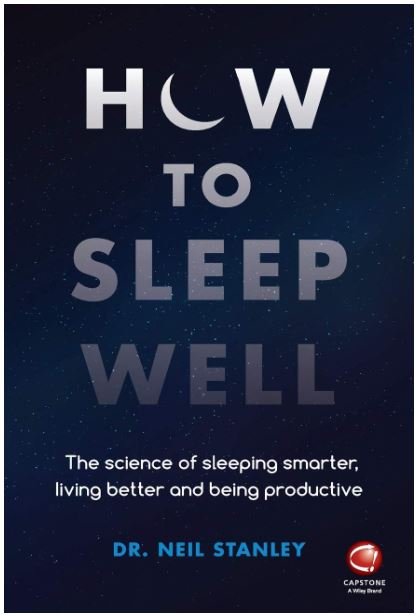
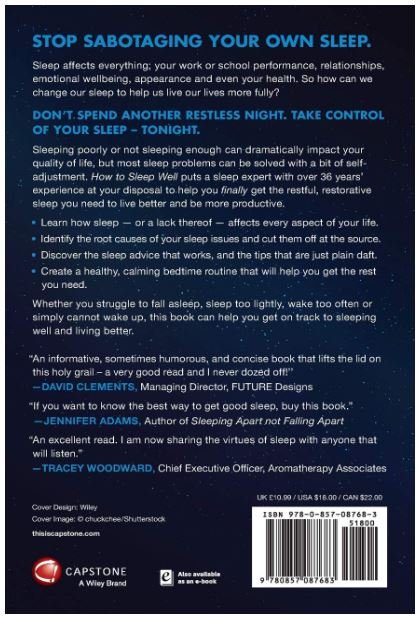
Unlock the secrets to unparalleled rest and rejuvenation with the book "How to sleep well" by Dr. Neil Stanley
How Much Sleep do you Need
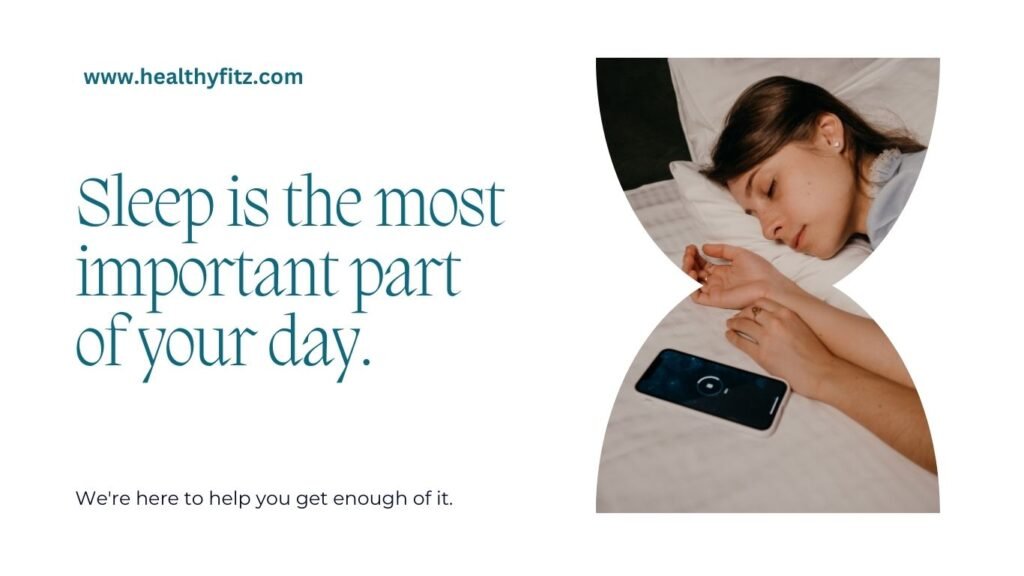
The study shows in sleep well to age slowly: The science behind sleep that for adults 18 years of age and older, 7 to 9 hours of sleep per night is highly recommended, and it comes from continuous research and studies on sleeping patterns and their effect on health and well-being. However, the amount of sleep needed varies from person to person; some people feel rested and refreshed after 7 hours of sleep, while others may need about 9 hours to feel their best. There are several factors that can influence a person’s specific sleeping needs, such as genetics, lifestyle, stress level, and overall health. It is very important to understand “sleep well to age slowly: the science behind sleep,” to prioritize your sleeping practice to ensure the quality of rest, to maintain a consistent sleep schedule, to create a sleepful environment, to limit screen exposure in bed, and to avoid caffeine intakes before bedtime. Sleep well to age slowly. The science behind sleep is not just a theory you read; it’s a meditation for your body’s growth, brain function, and immune system.
Understand Sleep well to Age Slowly: The Science Behind Sleep
First of all, we need to understand that the complex system controlling our sleep-wake cycle is an essential factor in appreciating the power of getting sufficient sleep. The circadian rhythm is an internal clock in our bodies that controls our sleeping pattern throughout a 24-hour period. This rhythm gets influenced by factors such as light exposure, melatonin production, and neurotransmitter activity in the brain. We go through different stages of sleep throughout the night, each of which has its own individual characteristics and functions, as mentioned here in sleep well to age slowly: The science behind sleep.

Stage 1 and 2 NREM Sleep: Non-rapid eye movement is a gentle phase of the sleeping process where muscle activity reduces and eye movements drop. This is the point where we move from an awake state to deep sleep.
Stage 3 and 4 of NREM sleep (slow-wave sleep): This is a deep sleep phase, which is an essential stage for repair and physical restoration for our body. Our body experiences slow brain waves during this phase and complete relaxation.
REM Sleep: The majority of dreams take place in rapid eye movement sleep. It’s a kind of disorder that causes increased brain activity, fast eye movement, and temporary muscle paralysis.
Sleep well to age slowly: The science behind sleep shows The link between sleep and aging: First of all we all need to understand how to sleep well to age slowly: The science behind sleep, the variety of studies brought the link between sleep and the aging process to light. Sleep plays an important role in cellular repair, where the body produces growth hormones to promote tissue repair and regeneration during deep sleep. This process gets disturbed if we fail to get enough sleep, which leads to accelerated aging at the cellular level.
Also, lack of sleep is related to increased inflammation of the body. Some of the major age-related illnesses, like heart disease, diabetes, and cognitive decline, are caused by chronic inflammation. Individuals who work on deep and peaceful sleep can lessen the negative consequences of inflammation and slow the aging process.
Tips to Improve Sleep Quality
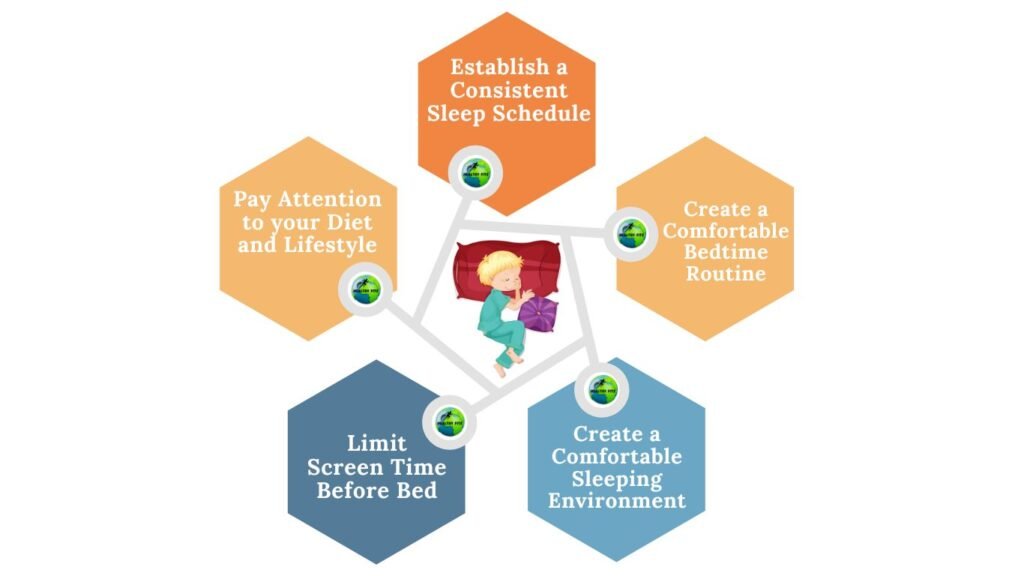
Establish a Consistent Sleep Schedule: If you want to sleep well to age slowly: The science behind sleep, try to go to bed as scheduled and get up at the same time every day, even on weekends, it takes guts and discipline to maintain, but if you do so, it will support the control of your body’s internal clock and promote better sleep quality.
Create a Comfortable Bedtime Routine: A Bedtime routine needs to be developed to signal your body that it’s time to relax and rest. This could include activities such as reading, meditating, or light stretching.
Create a Comfortable Sleeping Environment: Try to make your bedroom sleep-friendly by maintaining a cool, dark, and quiet atmosphere. Invest in a comfortable mattress and pillows, and try to use white noise machines or earplugs, if possible, to prevent the annoying noises.
Limit Screen Time Before Bed: Screen-generated blue light might cause a disturbance with melatonin production and spoil your sleep cycles. To avoid this disruption, stop using gadgets at least an hour before bedtime and start using blue light filters for relaxation, or turn down the brightness on your devices.
Pay Attention to your Diet and Lifestyle: Avoid taking caffeine or heavy meals before bedtime, as these might interrupt your sleep. Similarly, try to limit your alcohol consumption too, at least at night, as it can alter your sleeping pattern and result in poor-quality sleep.
The Benefits of Quality Sleep
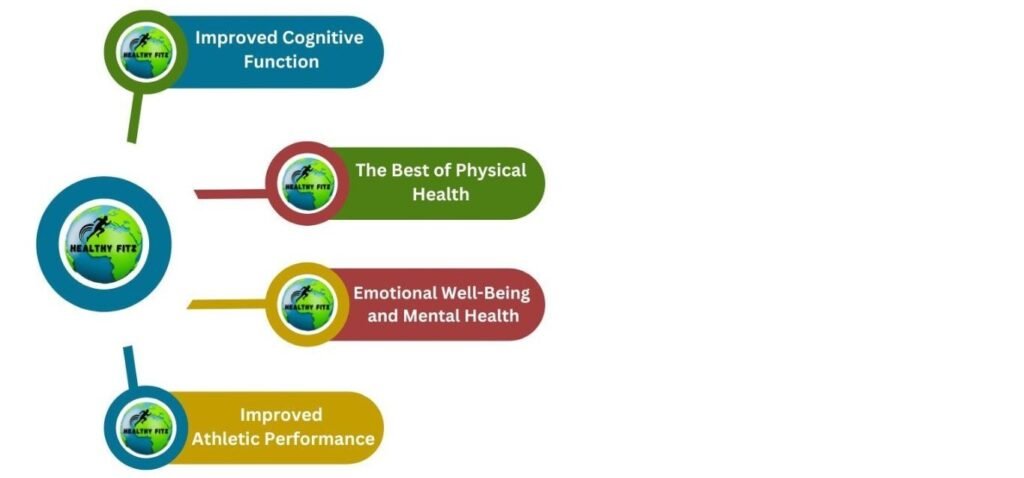
Improved Cognitive Function: Sleep plays a crucial role in managing cognitive function to help memory consolidation, creativity, and problem-solving ability, and it also improves concentration, decision-making skills, and overall cognitive performance.
The Best of Physical Health: To sustain the best possible optimal health, it requires adequate sleep. It balances hormone levels, promotes heart health, and strengthens the immune system. However, if sleep is not taken care of, it may raise the risk of heart disease, diabetes, and obesity.
Emotional Well-Being and Mental Health: There is a close connection between sleep and mental health. Sufficient sleep is one of the major aspects of stress management, emotion regulation, and preventing mood swings, including anxiety and depression. An individual can feel the emotional adaptability and overall well-being if sufficient sleep is the ultimate priority.
Improved Athletic Performance: Getting enough sleep is beneficial in terms of muscle healing, reaction time, and coordination, which promotes sports performance and lowers the chance of injury.
CONCLUSION: "Sleep well to age slowly: The science behind sleep"
Embracing the power of sleep and healthy aging, Sleep well to age slowly: The science behind sleep is here to make you understand that sleep is an essential aspect of life, and getting enough high-quality sleep is a major factor in healthy aging. Quality sleep is important for physical strength, good health, and a lifespan by supporting cellular repair, cognitive function, stress reduction, and emotional stability. People can slow down the aging process and prolong their quality of life by making rest and sleep a priority to enjoy a healthy life. So, let’s establish a regular sleep habit, make a commitment to turning off the screens in bed, create a peaceful sleeping environment, and provide our bodies with the rest and relaxation they need to thrive. Sleep well to age slowly: the science behind sleep is a campaign to elaborate on the healthy sleeping process and contribute to society with the knowledge that is well needed.